If you’re buying hearing aids for the first time, focus on two things before anything else: how well the technology matches your daily life and whether you’re getting expert medical guidance along with the device.
Start With Value, Not Price
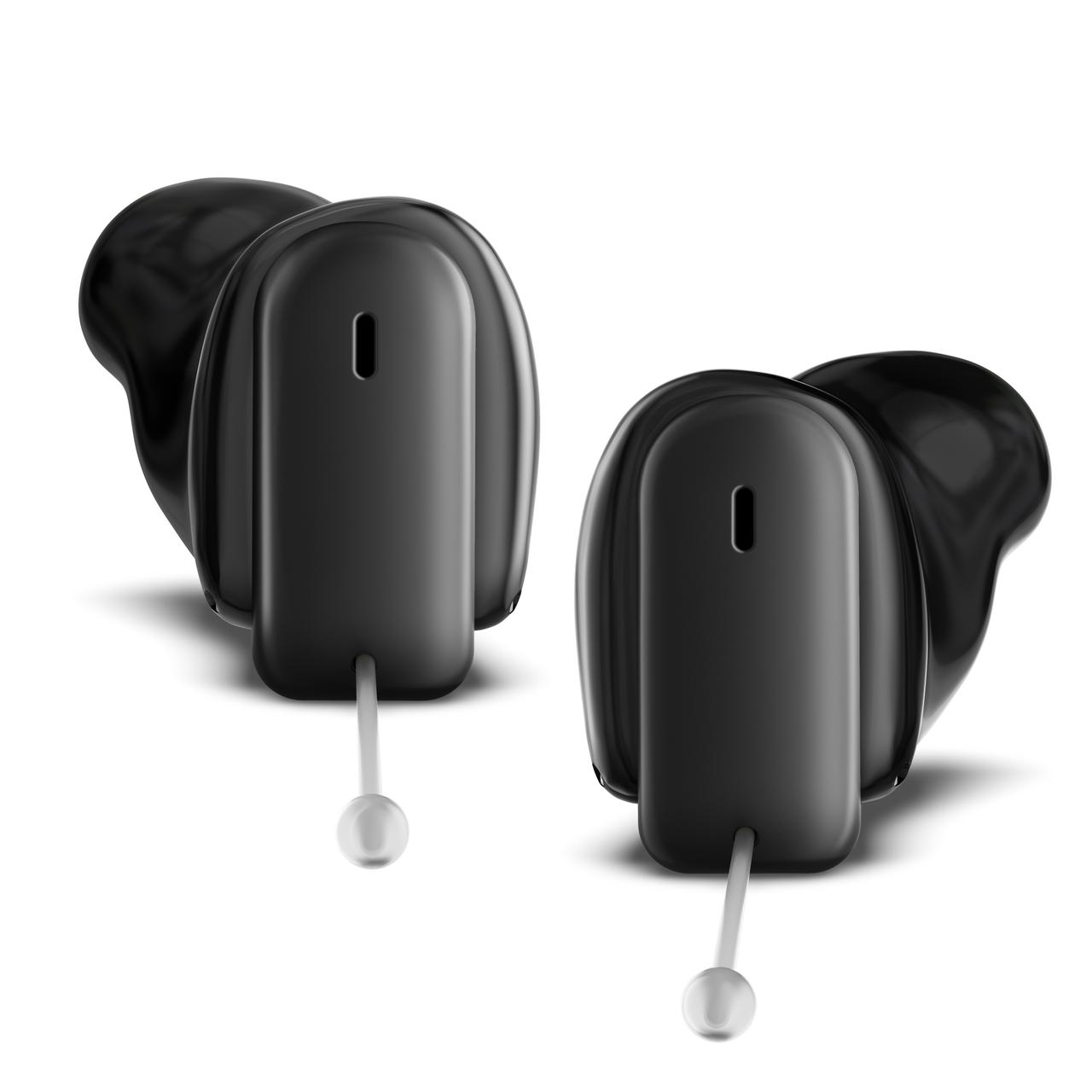
Many first-time buyers compare hearing aids solely by cost. That’s understandable. Hearing aids can be a significant investment.
What often gets overlooked is why some devices cost more.
Higher technology levels may include:
- Better performance in noisy environments with multiple sources of sound
- AI-assisted sound processing that automatically adapts to different listening environments
- Enhanced speech detection
- Advanced hardware for improved spatial awareness
Paying for premium features makes sense if those features solve problems you actually experience. That’s where audiological care comes into play. An audiologist helps connect technology to your hearing loss, lifestyle, and goals. That’s very different from choosing a device off a shelf.
Why the Medical Model Matters
The FDA notes that over-the-counter hearing aids are designed for adults with perceived mild to moderate hearing loss.1 Prescription hearing aids involve professional testing, fitting, programming, and follow-up care and are certified to treat higher degrees of hearing loss than OTC models.
Your audiologist is evaluating:
- Whether hearing aids are the right solution
- The type of hearing loss involved
- Which features will provide a meaningful benefit
- How your hearing may change over time
That medical perspective can prevent overbuying, underbuying or missing an underlying issue entirely.
For many people across Raleigh and the greater Research Triangle area, that guidance becomes just as valuable as the hearing aids themselves.
Which Hearing Aid Features Are Worth Paying More For?
Features that help you understand speech in noise often provide the most noticeable day-to-day benefit. For many first-time wearers, that’s worth prioritizing ahead of cosmetic upgrades or extra convenience features.
What Surprises Most First-Time Hearing Aid Users?
The fitting process isn’t a one-time event. Fine-tuning, follow-up visits and adjustments are often needed as your brain adapts to hearing sounds it may have missed for years.
Think About Your Lifestyle First
A retired golfer, a business owner and a grandparent who spends weekends with energetic grandchildren may all have similar hearing tests.
They may need very different hearing solutions.
Before making a decision, consider:
- Where hearing is most difficult today
- How comfortable you are with smartphone technology
- How much time you spend in groups versus quiet settings
Those answers often lead to a better outcome than focusing on brand names alone.
A Final Thought
Choosing hearing aids for the first time can feel surprisingly complicated. It doesn’t have to be.
The goal isn’t to buy the most advanced technology available. The goal is to hear better in the moments that matter most to you.
At Raleigh Capitol Ear, Nose, Throat & Allergy, that conversation starts with understanding your hearing, your lifestyle and what success actually looks like in your day-to-day life.
Sources
1 U.S. Food and Drug Administration. “OTC Hearing Aids: What You Should Know.” https://www.fda.gov/medical-devices/hearing-aids/otc-hearing-aids-what-you-should-know [fda.gov]